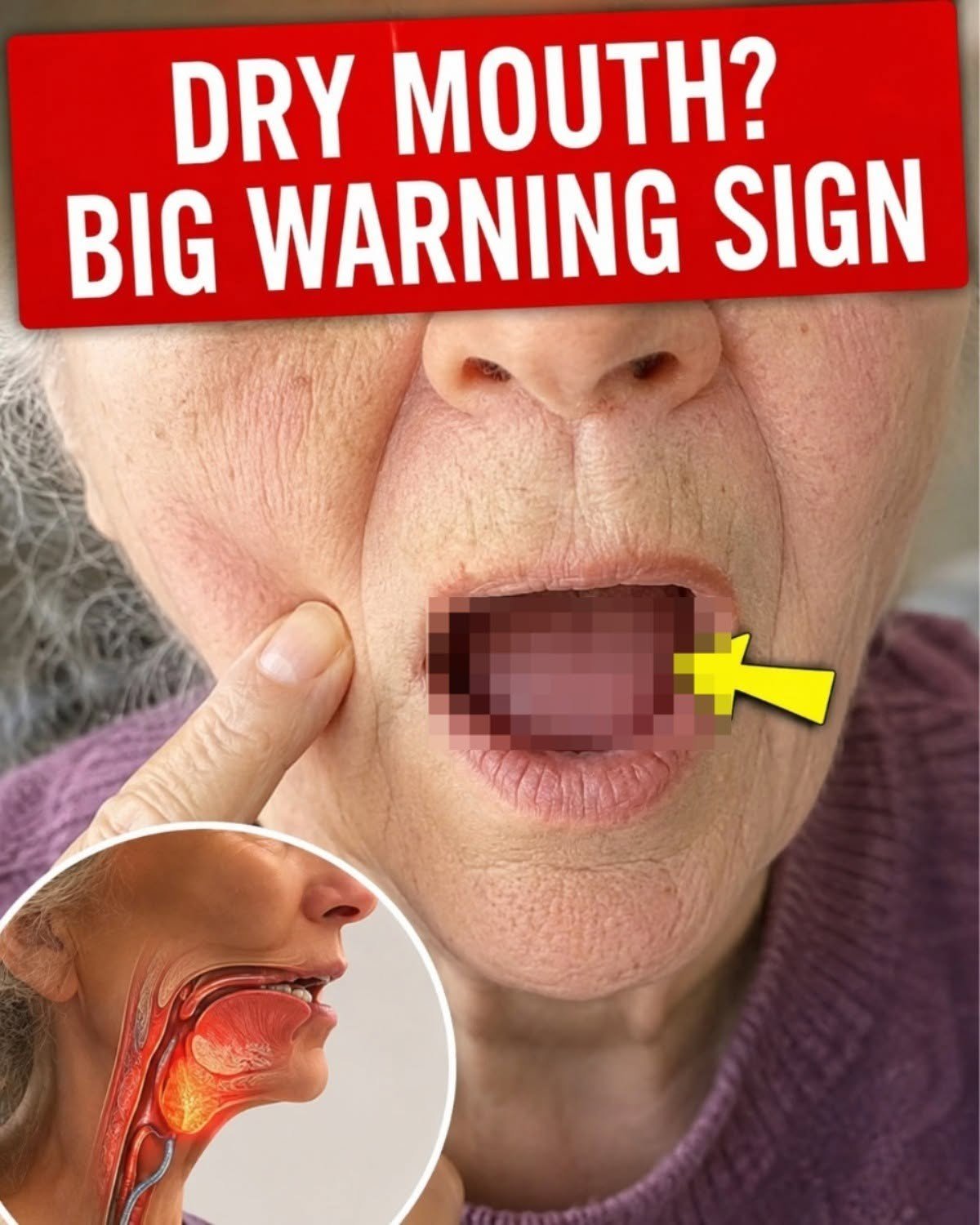
Dry Mouth Every Morning? Don’t Ignore What Your Body Could Be Signaling
Waking up with a dry mouth once in a while is common. After several hours without drinking, your mouth naturally produces less saliva, and breathing through your mouth during sleep can make the sensation even stronger.
But if your mouth feels dry almost every morning, especially if the problem is persistent or accompanied by other symptoms, it is worth paying attention to.
Morning dry mouth can have many explanations, ranging from simple nighttime habits to medication effects, nasal congestion, sleep-related breathing problems, or certain medical conditions.
The important point is that dry mouth is a symptom, not a diagnosis.
1. You May Be Breathing Through Your Mouth While Sleeping
One of the most common reasons for waking with a dry mouth is mouth breathing.
A blocked or stuffy nose can make you breathe through your mouth while sleeping. Allergies, a cold, nasal irritation, or structural nasal problems can all contribute.
You might also notice:
- A dry or sticky feeling in the mouth
- Dry lips
- A sore or scratchy throat in the morning
- Snoring
- Nasal congestion
Addressing the underlying nasal problem may reduce the dryness.
2. You May Not Be Getting Enough Fluids
Mild dehydration can make the mouth feel dry.
This can happen after sweating, exercising, having a fever, vomiting, diarrhea, or simply not drinking enough throughout the day.
However, deliberately drinking excessive amounts of water before bed isn’t a good solution. It can simply cause repeated nighttime urination and disrupt sleep.
Instead, maintain normal hydration throughout the day and drink when you are thirsty.
3. Your Medications Could Be Contributing
Many medications can reduce saliva production.
Examples include some medicines used for:
- Allergies
- Colds
- Depression and anxiety
- Blood pressure
- Pain
- Asthma
- Bladder conditions
- Other chronic conditions
If your dry mouth began after starting a medication or changing its dose, discuss it with a healthcare professional or pharmacist.
Do not stop a prescribed medication on your own.
4. Your Sleeping Environment May Be Dry
Dry indoor air can make your mouth and throat feel uncomfortable, particularly during the night.
Heating or air conditioning can reduce indoor humidity. Sleeping with your mouth open can make the effect more noticeable.
Keeping the bedroom comfortably humidified and addressing nasal congestion may help.
A cool-mist humidifier can be useful for some people, but it should be cleaned regularly according to the manufacturer’s instructions to prevent microbial growth.
5. Snoring and Sleep-Related Breathing Problems May Play a Role
Persistent snoring, mouth breathing, and waking with a very dry mouth can sometimes occur with sleep-disordered breathing, including obstructive sleep apnea.
Other possible clues include:
- Loud or persistent snoring
- Pauses in breathing noticed by someone else
- Gasping or choking during sleep
- Frequent nighttime awakenings
- Morning headaches
- Significant daytime sleepiness
These symptoms don’t prove that someone has sleep apnea, but persistent patterns deserve medical evaluation.
6. High Blood Sugar Can Sometimes Cause Dry Mouth
Dry mouth can occur alongside increased thirst and increased urination when blood glucose is elevated.
Other possible symptoms of diabetes can include:
- Increased hunger
- Unexplained fatigue
- Blurred vision
- Slow-healing cuts
- Recurrent infections
These symptoms have many possible causes, so dry mouth alone does not mean someone has diabetes.
If excessive thirst and frequent urination are persistent or accompanied by other concerning symptoms, a healthcare professional can determine whether blood-glucose testing is appropriate.
7. Anxiety and Stress Can Temporarily Reduce Saliva
Stress can affect the nervous system and sometimes reduce saliva production.
Someone experiencing significant anxiety may notice a dry or sticky mouth during stressful periods, including upon waking.
That doesn’t mean the symptom should automatically be attributed to stress. Persistent dry mouth still deserves consideration of other possible causes.
8. Dry Mouth Can Affect More Than Comfort
Saliva protects the mouth in several ways. It helps lubricate tissues, assists with swallowing and speaking, and contributes to protection against tooth decay.
Long-lasting dry mouth can therefore increase the risk of:
- Tooth decay
- Gum problems
- Mouth irritation
- Difficulty swallowing dry foods
- Changes in taste
- Bad breath
- Mouth sores
This is one reason persistent dry mouth shouldn’t simply be ignored.
What Can You Do About Morning Dry Mouth?
Simple measures may help:
Drink Normally Throughout the Day
Keep up regular fluid intake and respond to thirst rather than trying to consume large quantities of water at night.
Address Nasal Congestion
If allergies or congestion are causing mouth breathing, treating the underlying problem may improve nighttime dryness.
Take Care of Your Teeth
Brush regularly with fluoride toothpaste and maintain good dental hygiene. Persistent dry mouth makes oral care particularly important.
Avoid Irritating Products
Some people find alcohol-containing mouthwashes irritating or drying. A dentist or pharmacist can help identify products appropriate for dry mouth.
Consider Sugar-Free Gum or Lozenges
Chewing sugar-free gum or using sugar-free lozenges can stimulate saliva production for some people. Avoid products containing large amounts of added sugar, since frequent sugar exposure can increase the risk of tooth decay.
When Should You See a Doctor or Dentist?
Make an appointment if dry mouth:
- Happens regularly for weeks
- Is getting worse
- Makes eating or swallowing difficult
- Is accompanied by significant thirst or frequent urination
- Occurs after starting a new medication
- Is accompanied by persistent mouth sores or dental problems
- Is associated with loud snoring or suspected breathing interruptions during sleep
A dentist can assess the effects on your teeth and gums, while a doctor can investigate possible medications, nasal problems, sleep issues, or medical conditions.
When Dry Mouth Needs More Urgent Attention
Dry mouth itself is usually not an emergency.
However, seek prompt medical care when severe dryness occurs together with signs of significant dehydration, such as very little urination, severe weakness, fainting, confusion, or inability to keep fluids down.
Sudden difficulty breathing, severe chest pain, fainting, or other serious symptoms should also be treated as urgent rather than simply attributed to dry mouth.
Final Takeaway
Waking up with a dry mouth occasionally is usually not alarming. But persistent morning dry mouth can be a useful clue that something is affecting saliva production or nighttime breathing.
Mouth breathing, congestion, dehydration, medications, dry air, stress, and sleep-related breathing problems are among the possibilities. High blood sugar can also cause dry mouth, particularly when it occurs with excessive thirst and urination.
Rather than assuming the symptom means one particular disease, look at the overall pattern. Persistent or troublesome dry mouth deserves a proper evaluation so the underlying cause can be identified and treated.
