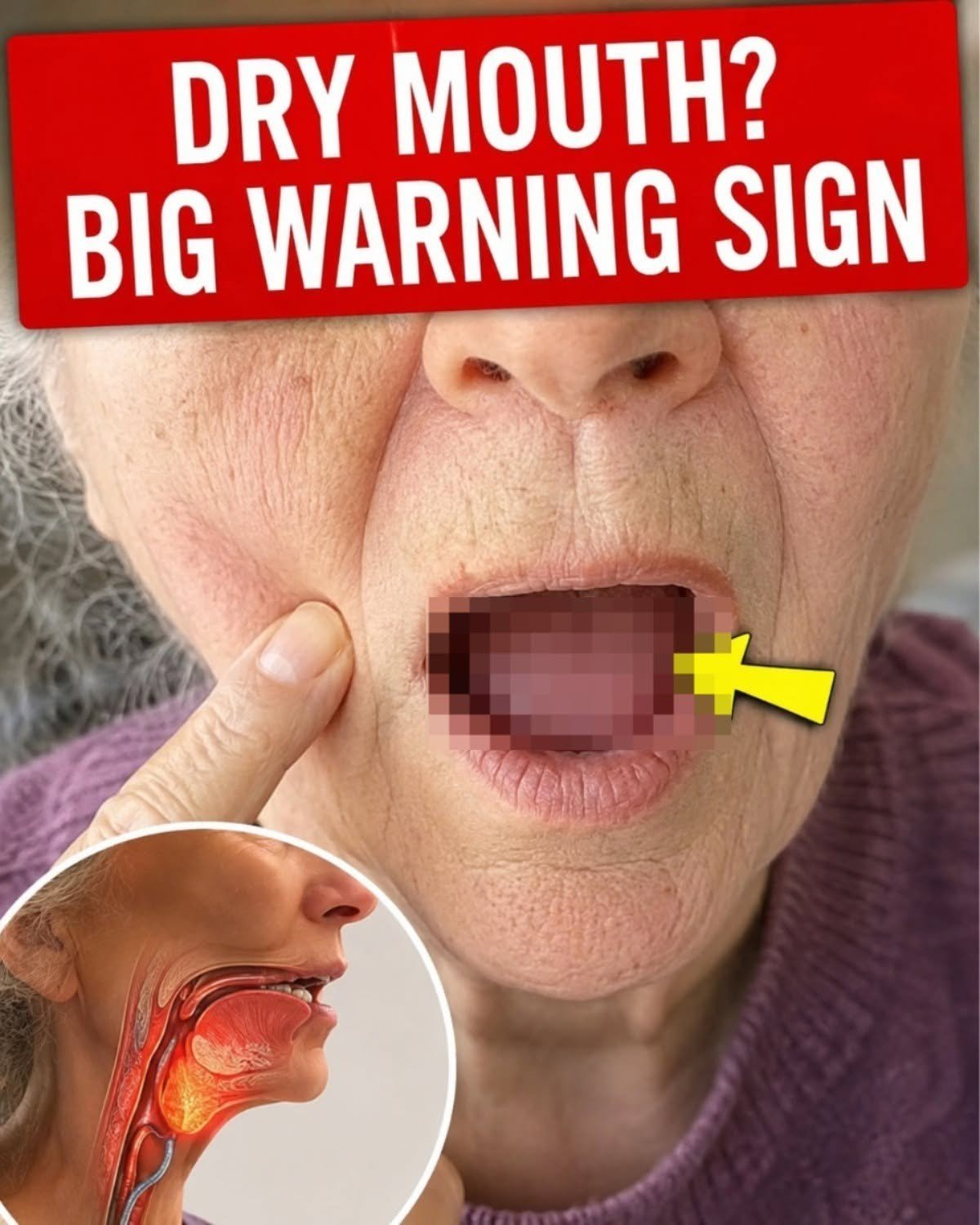
Dry Mouth Every Morning? Don’t Ignore What Your Body Could Be Signaling
Waking up with a dry mouth occasionally is common. But if your mouth feels dry almost every morning, especially for several weeks, it is worth paying attention to.
Dry mouth, medically called xerostomia, can happen when the mouth produces less saliva or when saliva evaporates because of mouth breathing. Common causes include dehydration, medications, anxiety, nasal congestion, and certain medical conditions.
Importantly, dry mouth does not automatically mean you have diabetes or another serious illness.
1. You May Be Breathing Through Your Mouth at Night
One of the most common explanations for morning dry mouth is sleeping with your mouth open.
A blocked nose from allergies, a cold, or nasal congestion can make you breathe through your mouth while sleeping. Mouth breathing can leave the tongue, lips, and throat particularly dry when you wake up.
You may also notice:
- Dry or cracked lips
- A sticky feeling in your mouth
- A dry throat
- Snoring
- Nasal congestion
Treating the underlying nasal problem may help reduce the dryness.
2. You May Be Dehydrated
Not drinking enough fluids, sweating heavily, being ill, or losing fluids through vomiting or diarrhea can contribute to dry mouth.
Instead of drinking a large amount of water immediately before bed, aim for normal hydration throughout the day.
Very frequent nighttime drinking can itself interrupt sleep.
3. Your Medication Could Be Responsible
Many medications can reduce saliva production.
Examples include some medicines used for:
- Allergies
- Depression
- Blood pressure
- Pain
- Bladder conditions
- Other chronic conditions
If your dry mouth started after beginning a medication or changing a dose, ask a doctor or pharmacist whether the medicine could be contributing.
Don’t stop a prescribed medicine on your own.
4. It Can Sometimes Be Associated With High Blood Sugar
Diabetes can affect saliva production and is associated with dry mouth.
However, dry mouth alone is not enough to diagnose diabetes.
Other symptoms that can occur with diabetes include:
- Increased thirst
- Urinating more often
- Increased hunger
- Fatigue
- Blurred vision
- Sores that heal slowly
- Recurrent infections
If dry mouth occurs together with persistent excessive thirst and frequent urination, discussing blood-glucose testing with a healthcare professional may be appropriate.
5. Snoring or Sleep-Related Breathing Problems May Play a Role
Persistent snoring and mouth breathing can contribute to waking with a dry mouth.
If someone also notices breathing pauses during sleep, gasping or choking at night, or significant daytime sleepiness, a healthcare professional should assess the possibility of a sleep-related breathing disorder.
Morning dry mouth by itself does not diagnose sleep apnea.
6. Anxiety and Stress Can Affect Your Mouth
Stress and anxiety can sometimes contribute to a dry-mouth sensation or reduced saliva production.
If dryness is particularly noticeable during stressful periods, this may be part of the explanation. But persistent symptoms shouldn’t automatically be blamed on stress without considering other possible causes.
7. Persistent Dry Mouth Can Affect Your Teeth
Saliva plays an important protective role in the mouth. It helps wash away food particles, protect tissues, and reduce the effects of acids produced by bacteria.
When saliva remains reduced for a long time, the risk of tooth decay, gum problems, mouth irritation, and infections such as oral thrush can increase.
That makes persistent dry mouth more than just an uncomfortable morning sensation.
What Can You Do to Relieve Morning Dry Mouth?
A few simple habits may help.
Drink Fluids Regularly
Take normal amounts of water throughout the day rather than trying to compensate with excessive drinking at night.
Address Nasal Congestion
If allergies or a blocked nose are causing nighttime mouth breathing, treating the congestion may help.
Maintain Good Oral Hygiene
Brush your teeth twice daily with fluoride toothpaste and keep up with regular dental care.
Try Sugar-Free Gum
Sugar-free chewing gum can stimulate saliva production for some people.
Avoid Things That Can Make Dryness Worse
Smoking, excessive alcohol, and large amounts of caffeine can contribute to dry-mouth symptoms in some people.
When Should You See a Doctor or Dentist?
Arrange an evaluation if your dry mouth:
- Continues for several weeks
- Makes eating or speaking difficult
- Causes persistent mouth pain
- Is accompanied by white patches or sores
- Comes with persistent taste changes
- Occurs alongside unusually frequent urination or excessive thirst
- Started after a medication change
A dentist can check for tooth decay, gum problems, and other effects of reduced saliva, while a doctor can investigate possible medications or underlying medical conditions.
When Is Dry Mouth More Urgent?
Dry mouth itself is usually not an emergency.
However, severe dryness accompanied by very little urination, severe weakness, fainting, confusion, or an inability to keep fluids down can indicate significant dehydration or another serious problem and requires prompt medical attention.
If someone has diabetes and develops very high blood sugar together with severe tiredness, vomiting, fruity-smelling breath, trouble breathing, or fainting, urgent medical care is needed because these can be signs of diabetic ketoacidosis.
Final Takeaway
Waking with a dry mouth doesn’t automatically mean something is wrong. Mouth breathing, nasal congestion, dehydration, medications, stress, and dry indoor air are common possibilities.
Diabetes and certain other medical conditions can also contribute, particularly when dry mouth occurs alongside other symptoms such as excessive thirst and frequent urination.
The key is to look at the whole pattern, not one symptom. If your mouth is persistently dry every morning or the problem is affecting your teeth, eating, speaking, or overall comfort, getting it evaluated can help identify the underlying cause.
