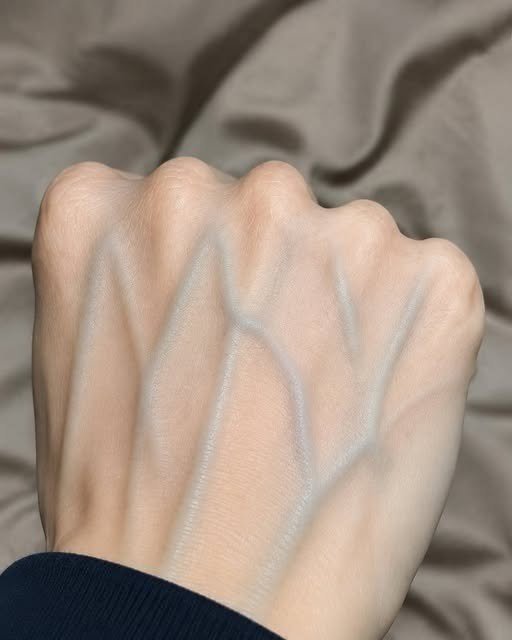
If Your Veins Are Visible, Here’s What It Can Mean
Noticing veins more clearly on your hands, arms, legs, or feet can be surprising. Sometimes they seem to appear suddenly, while in other cases they’ve been visible for years.
The good news is that visible veins are often completely normal. Veins naturally sit closer to the skin in some parts of the body, and their appearance can change with temperature, activity, hydration, genetics, and normal changes in the skin and tissues.
However, a new or unusual change in a vein—particularly when accompanied by pain, swelling, redness, warmth, or skin changes—can deserve medical attention.
1. Genetics Can Make Veins More Noticeable
Some people naturally have more visible superficial veins.
The thickness and tone of the skin, the position of veins beneath the skin, and inherited characteristics all influence how prominent veins look.
This means two healthy people can have very different-looking veins.
Visible veins by themselves aren’t a reliable measure of someone’s health or fitness.
2. Exercise Can Temporarily Make Veins Stand Out
During physical activity, blood flow to working muscles increases.
Veins near the surface can consequently become more noticeable, particularly during or shortly after exercise.
Once the body returns to its resting state, the veins may become less prominent again.
This temporary change is generally different from a vein that remains newly enlarged, painful, or otherwise abnormal.
3. Heat Can Make Veins More Visible
When you’re warm, blood vessels near the skin can widen as the body helps release heat.
As a result, superficial veins may become easier to see.
You may notice this after being outside in hot weather, taking a warm shower, or exercising in a warm environment.
The effect generally decreases as the body cools.
4. Dehydration Can Change How Veins Look
Fluid loss can sometimes make veins appear more prominent because of changes in the tissues surrounding them.
Dehydration may also cause symptoms such as thirst, dry mouth, darker urine, headache, or dizziness.
The appropriate response is normal rehydration rather than deliberately restricting or excessively increasing fluid intake.
5. Age-Related Skin Changes Can Reveal Veins
As people get older, skin can become thinner and connective tissues can change.
The veins underneath the skin may therefore become easier to see, particularly on the backs of the hands and forearms.
This can be a normal part of aging and doesn’t automatically indicate a circulation disorder.
6. Varicose Veins Are Different
Veins that are enlarged, twisted, or bulging—especially in the legs—can be varicose veins.
They may cause:
- Aching or heaviness
- Swelling
- Itching
- Leg discomfort after prolonged standing
- Skin changes around the affected area
Varicose veins are common, but persistent symptoms can be discussed with a healthcare professional.
7. A Sudden Change in One Leg Deserves Attention
A newly prominent vein isn’t necessarily dangerous, but a sudden change affecting one leg together with swelling, warmth, redness, or pain should not be ignored.
Those symptoms can occur with a blood clot in a deep vein, among other conditions.
If these symptoms are accompanied by sudden chest pain, difficulty breathing, coughing up blood, fainting, or severe shortness of breath, seek emergency medical care.
8. Color and Skin Changes Can Provide Additional Clues
Visible veins are more important to evaluate when they occur alongside other changes.
Seek medical advice if you notice persistent:
- Swelling
- Pain
- Redness or warmth
- Skin discoloration
- Sores that don’t heal
- Significant changes in temperature of a limb
- Numbness or weakness
The combination of symptoms matters much more than simply being able to see a vein.
When Visible Veins Are Usually Not Concerning
Veins are often simply part of normal anatomy when they:
- Have always been visible
- Become more noticeable during exercise
- Stand out in warm temperatures
- Are visible on both sides of the body in a similar way
- Aren’t painful or swollen
- Return to their usual appearance afterward
In these situations, prominent veins generally don’t mean that something is wrong.
Don’t Try to Diagnose Circulation Problems by Looking at Veins Alone
A common misconception is that highly visible veins automatically mean either excellent circulation or poor circulation.
Neither conclusion is reliable.
Doctors evaluate circulation using symptoms, physical examination, medical history, and sometimes tests such as blood-flow studies when appropriate.
The appearance of a superficial vein alone cannot determine how well blood is circulating throughout the body.
Final Takeaway
Visible veins are often normal. Genetics, exercise, heat, hydration, skin characteristics, and normal aging can all influence how prominent they appear.
The situation becomes more important when a vein becomes newly prominent and is accompanied by pain, swelling, warmth, redness, skin changes, or other unusual symptoms.
Pay attention to changes rather than the mere presence of visible veins. When a new or concerning pattern appears—especially sudden one-sided leg swelling and pain—medical evaluation is the safest way to determine what’s actually happening.
