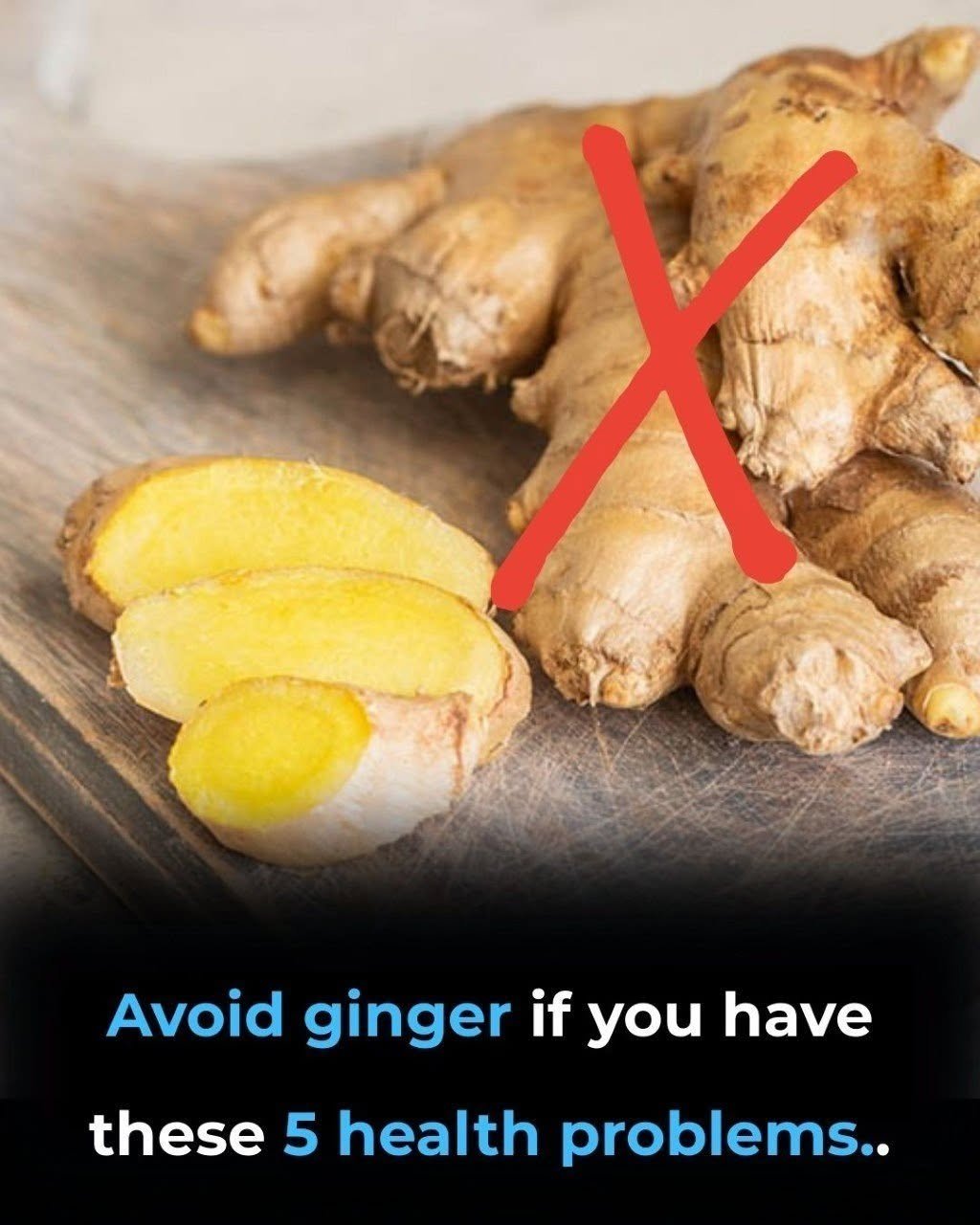
Doctors Reveal What Consuming Ginger Can Actually Do to Your Body
Ginger has been used in cooking and traditional medicine for centuries. Today, it is often promoted online as a powerful remedy for everything from inflammation to digestion.
Some of those claims are exaggerated, but ginger does contain biologically active compounds—particularly gingerols and related compounds—that have been studied for their potential effects on the body.
For most people, moderate amounts of ginger used in food or beverages are well tolerated. However, more is not necessarily better, and concentrated supplements can behave differently from ordinary culinary amounts.
1. Ginger May Help With Nausea
One of the better-known uses of ginger is for nausea.
Research has found evidence that ginger may help with certain types of nausea, although its effectiveness can vary depending on the cause.
Some people use ginger for motion-related nausea or pregnancy-related nausea, but anyone who is pregnant should discuss supplements or medicinal doses with a healthcare professional.
Ginger should not be considered a substitute for medical evaluation when nausea is severe, persistent, or accompanied by concerning symptoms.
2. It May Support Digestion
Ginger can influence gastrointestinal activity and may help some people with digestive discomfort.
A warm ginger drink after a meal may feel soothing, but ginger is not a guaranteed treatment for indigestion, ulcers, reflux, or other digestive diseases.
If heartburn or abdominal discomfort happens frequently, identifying the underlying cause is more important than continually adding ginger.
3. Ginger Contains Anti-Inflammatory Compounds
Ginger contains naturally occurring compounds with anti-inflammatory and antioxidant activity.
Laboratory research has demonstrated biological effects, but that does not mean eating ginger can cure inflammatory diseases.
A useful way to think about ginger is as one nutritious food that can contribute to an overall healthy diet—not as a replacement for medical treatment.
4. It May Have Effects on Blood Sugar
Some studies have investigated whether ginger consumption can influence blood glucose levels.
The evidence is not strong enough to treat ginger as a diabetes medication.
People taking medication that lowers blood sugar should be particularly cautious about using concentrated ginger supplements without professional guidance.
5. Ginger May Affect Blood Pressure
Research has also examined possible effects of ginger on cardiovascular measures, including blood pressure.
Any effect is not a reason to replace prescribed blood-pressure medication with ginger.
If you have hypertension, continue monitoring your blood pressure and follow the treatment plan recommended by your healthcare professional.
6. Too Much Ginger Can Cause Side Effects
Ginger is not completely risk-free.
Larger amounts can cause problems such as:
- Heartburn
- Stomach discomfort
- Diarrhea
- Mouth irritation
These effects are more likely to become noticeable when someone consumes unusually large amounts or concentrated preparations.
If ginger repeatedly causes digestive symptoms, reducing or avoiding it may be appropriate.
7. Concentrated Supplements Deserve More Caution
Using ginger as a cooking ingredient is very different from taking a concentrated extract or high-dose supplement.
Supplements can provide substantially larger amounts of active compounds than ordinary food.
Ginger may also interact with certain medications, including medicines that affect blood clotting or blood pressure.
Anyone taking prescription medication regularly should check with a doctor or pharmacist before starting concentrated ginger supplements.
What Is the Best Way to Consume Ginger?
For most people, incorporating a modest amount of fresh or powdered ginger into ordinary meals is a simple way to enjoy its flavor and potential nutritional benefits.
You can add it to:
- Soups
- Stir-fries
- Lentil dishes
- Vegetable meals
- Homemade drinks
- Smoothies
- Sauces
There is no need to consume extremely concentrated ginger drinks or large quantities in the belief that they will “detox” the body.
Ginger Is Not a Miracle Cure
Social media often presents ginger as though it can cleanse the blood, melt body fat, cure chronic diseases, or replace medications.
Those claims go beyond the available evidence.
Ginger can be a flavorful, nutritious addition to a varied diet, and research supports some specific potential benefits. But its effects should not be exaggerated.
The amount, form, frequency of use, and individual health circumstances all matter.
Final Takeaway
Consuming ginger may help with certain types of nausea and support normal digestive and inflammatory processes, while researchers are also studying possible effects on blood sugar and blood pressure.
At the same time, excessive amounts can cause heartburn or stomach irritation, and concentrated supplements may interact with medications.
For most people, using ginger sensibly as part of normal meals is a much more reasonable approach than treating it as a miracle cure. If you take regular medication or have a medical condition, discuss medicinal or high-dose ginger use with a healthcare professional.
