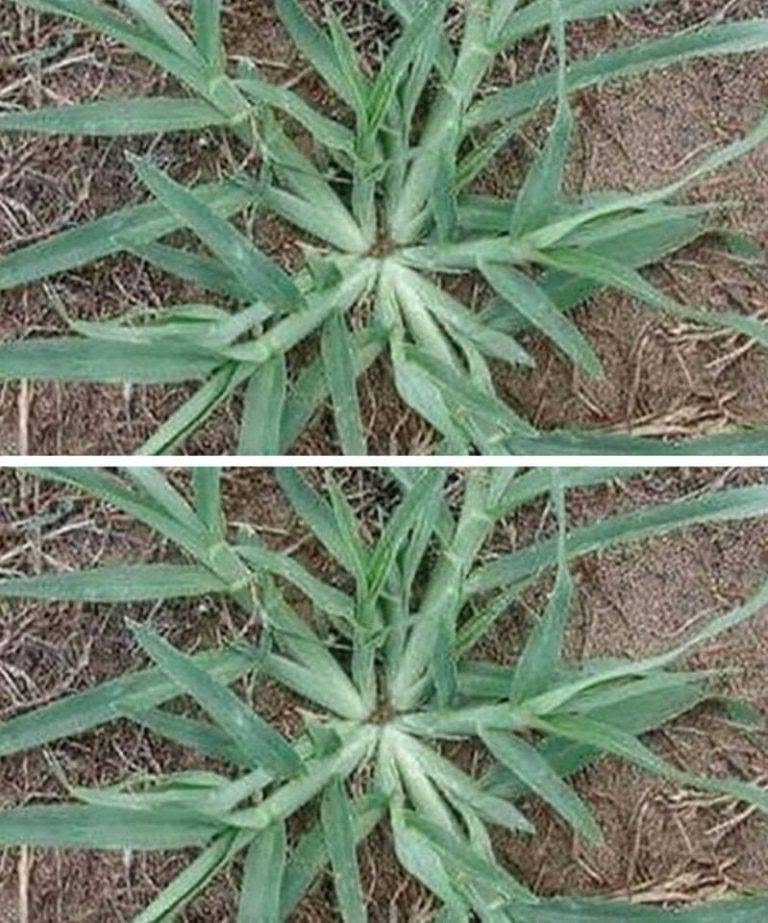
Never Uproot This Plant If It Appears in Your Garden
When an unfamiliar plant suddenly appears in a garden, the natural reaction is often to pull it out.
But not every volunteer plant is a weed.
Some wild plants can provide food for pollinators, improve habitat, protect soil, or even be useful edible greens. One plant that is frequently overlooked is purslane, a low-growing succulent that can appear unexpectedly in lawns, vegetable beds, cracks, and other sunny areas.
Before removing any unfamiliar plant, however, correct identification should come first. Some plants can look remarkably similar while having completely different properties.
Why Purslane Gets Overlooked
Purslane (Portulaca oleracea) is often treated as a common garden weed because it spreads close to the ground and can appear in disturbed soil.
Its stems are usually smooth and somewhat reddish, while the leaves are fleshy, rounded, and succulent.
It thrives in warm, sunny conditions and can tolerate relatively dry soil.
Rather than immediately pulling it out, gardeners may want to determine whether it is actually purslane and whether they have a use for it.
1. It Can Provide Nutrients
Purslane is edible when correctly identified and obtained from a clean, safe location.
It provides nutrients including vitamin C, carotenoids, magnesium, potassium, and other micronutrients. It also contains alpha-linolenic acid (ALA), a plant-based omega-3 fatty acid.
That makes it an interesting addition to a varied diet.
However, calling purslane a “miracle food” would be an exaggeration. It is simply one nutritious plant among many.
2. It Can Be Used in the Kitchen
In cultures where purslane is traditionally eaten, the tender leaves and stems may be used raw or cooked.
Its texture is somewhat succulent and its flavor can have a mildly tangy quality.
It can be incorporated into salads, soups, vegetable dishes, or other recipes.
Before eating wild plants, make absolutely certain of their identity.
3. Pollinators Can Benefit From Garden Diversity
Allowing some flowering plants to remain can provide habitat and food resources for insects.
Not every plant needs to be removed simply because it appeared without being deliberately planted.
A garden containing a variety of suitable plants can support a broader range of insects and other organisms.
However, gardeners should still manage invasive or aggressive species when they threaten desirable plants.
4. It Can Tolerate Dry Conditions
Purslane’s fleshy leaves and stems allow it to retain water.
This helps explain why it can survive in sunny, relatively dry places where many other plants struggle.
Its ability to tolerate difficult conditions is one reason it can appear in cracks, pathways, and neglected areas.
5. It Has a Long History of Traditional Use
Purslane has been eaten and used traditionally in various parts of the world for generations.
Traditional use can be culturally and historically interesting, but it should not automatically be interpreted as proof that a plant treats or cures a medical condition.
Nutrition and medicine are not the same thing.
Be Careful About Where It Grows
This is one of the most important points.
Do not eat purslane—or any wild plant—simply because it looks like a familiar edible species.
Plants growing beside roads, in areas treated with pesticides or herbicides, around contaminated soil, or where animals frequently defecate may not be safe to consume.
Wash edible plants thoroughly and use them only when you are confident about their identity and growing conditions.
Don’t Confuse It With Other Plants
Correct identification matters because several unrelated plants can have somewhat similar appearances.
One particularly important example is spurge, which can sometimes be mistaken for purslane.
Spurge typically has thinner stems and leaves, and its stems can release a milky sap when broken. That sap can irritate the skin and should not be treated as edible.
When identification is uncertain, don’t eat the plant.
A local horticultural expert, agricultural extension service, or reliable plant-identification reference can help confirm what is growing in your garden.
When You Should Remove It
The headline “never uproot this plant” is too absolute.
Even a useful plant can become unwanted in a particular garden.
You may choose to remove purslane if it is competing heavily with vegetables, spreading into areas where you don’t want it, or interfering with other plants.
The key is to identify first and decide second.
Final Takeaway
If a low-growing succulent suddenly appears in your garden, it may be purslane, a plant that many people consider a weed but that can also provide nutrients and serve as an edible green when correctly identified and safely sourced.
But don’t blindly follow advice to “never remove” an unfamiliar plant. Correct identification is essential, especially before eating anything growing wild.
A good gardener doesn’t necessarily remove every unexpected plant—they first find out what it is, what role it might play, and whether it belongs where it is growing.
