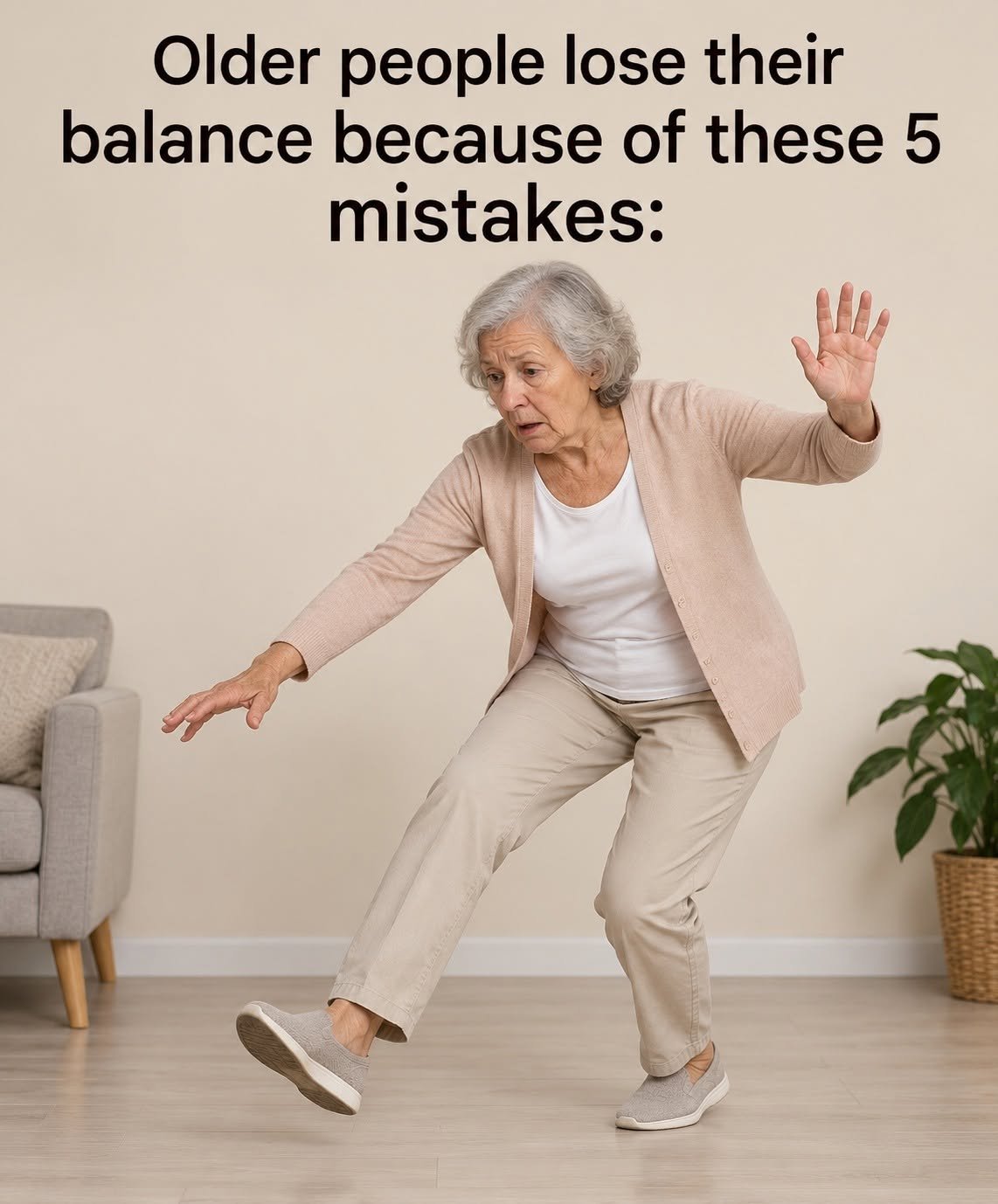
5 Common Mistakes That Can Affect Balance in Older Adults
Balance can change with age, but getting older does not mean that falls are unavoidable.
Several everyday habits can make it harder for an older adult to remain steady while walking, standing up, turning, or moving around the home. Some are easy to overlook because they seem harmless.
The good news is that many balance-related risks can be reduced by making simple changes and addressing medical problems when they arise.
Here are five common mistakes worth paying attention to.
1. Ignoring Vision and Hearing Changes
Clear vision helps the brain understand where the body is in relation to the floor, furniture, steps, and other obstacles.
Hearing also contributes to awareness of the surrounding environment and can help with orientation.
When vision becomes blurry or hearing deteriorates, an older adult may compensate without realizing that their balance is being affected.
What can help
Keep up with recommended eye examinations and address significant changes in vision or hearing. Make sure glasses are appropriate and that frequently used areas of the home are adequately lit.
At night, a small light between the bedroom and bathroom can also make navigating the home safer.
2. Taking Medications Without Reviewing Their Effects
Some medications can cause dizziness, drowsiness, low blood pressure, or changes in alertness. When several medications are taken together, these effects can sometimes become more noticeable.
This does not mean an older adult should stop taking a prescribed medication.
Instead, medication lists should be reviewed periodically with a doctor or pharmacist, particularly when dizziness, unsteadiness, or falls begin after starting a medication or changing a dose.
Over-the-counter medicines and supplements should be included in the review.
3. Standing Up Too Quickly
Some people experience a temporary drop in blood pressure when moving from lying or sitting to standing. This is known as orthostatic hypotension.
It can cause lightheadedness, weakness, or unsteadiness and may increase the risk of falling.
Getting out of bed quickly—particularly after waking during the night—can make this more noticeable.
A safer routine
Move gradually:
- Sit on the edge of the bed for a moment.
- Move your feet and ankles.
- Stand up slowly while holding a stable surface if necessary.
- Pause before walking.
Frequent dizziness when standing should be discussed with a healthcare professional because there may be an underlying cause that needs attention.
4. Letting the Home Become a Fall Hazard
Even someone with good balance can trip over an unexpected obstacle.
Loose rugs, clutter, electrical cords, slippery floors, poor lighting, and items left on stairs can all increase the chance of a fall.
Bathrooms can be particularly challenging because wet surfaces can become slippery.
Simple improvements
Keep walking paths clear, secure or remove loose rugs, improve lighting, use appropriate handrails on stairs, and consider properly installed grab bars where needed.
Footwear also matters. Shoes should fit securely and provide adequate support rather than being loose or difficult to walk in.
5. Avoiding Physical Activity Because of Fear of Falling
It may seem logical to move less after becoming concerned about falling.
However, excessive inactivity can lead to reduced muscle strength, endurance, coordination, and confidence, potentially making everyday movement more difficult.
Older adults can benefit from regular, appropriately challenging physical activity that includes strength, balance, and mobility exercises.
The activity should match the person’s abilities and health conditions. Someone with significant balance problems should seek professional guidance before attempting challenging exercises alone.
Balance Problems Can Have Medical Causes
Not every balance problem is caused by a household hazard or a lifestyle habit.
Possible contributors include inner-ear disorders, neurological conditions, vision problems, joint problems, muscle weakness, low blood pressure, medication effects, and other medical conditions.
A new or progressively worsening balance problem deserves medical attention rather than being dismissed as simply “getting older.”
When Balance Problems Are an Emergency
Some symptoms require urgent medical attention.
If sudden loss of balance occurs together with facial drooping, new weakness or numbness—especially on one side—difficulty speaking, sudden vision problems, severe dizziness, or a sudden severe headache, seek emergency medical care immediately because these can be warning signs of a stroke.
A fall that causes a significant head injury, severe pain, loss of consciousness, or an inability to get up also requires prompt medical assessment.
Final Takeaway
Five common mistakes that can affect balance in older adults are ignoring vision or hearing changes, failing to review medication effects, standing up too quickly, allowing household fall hazards to accumulate, and becoming excessively inactive because of fear of falling.
Improving lighting and home safety, reviewing medications, moving carefully between positions, maintaining appropriate physical activity, and addressing new medical symptoms can all help support safer movement.
Balance changes deserve attention—not because every wobble means something is seriously wrong, but because identifying the cause can sometimes prevent a much more serious fall.
