10 Indicators of Blocked Arteries You Shouldn’t Ignore
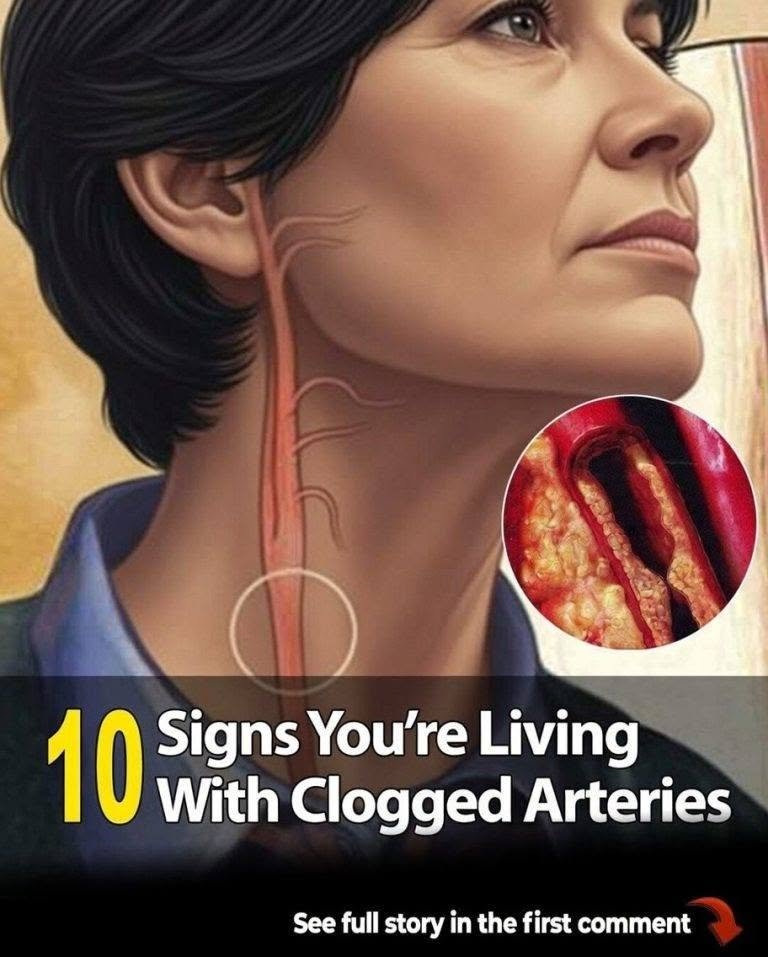
Arteries carry oxygen-rich blood throughout the body. When fatty deposits build up inside an artery, a process called atherosclerosis can narrow the vessel and reduce blood flow.
The tricky part is that atherosclerosis can develop silently for years. Some people have no obvious symptoms until blood flow becomes significantly restricted or a cardiovascular event occurs.
When symptoms do appear, they depend on which arteries are affected.
These 10 signs are worth knowing—but none of them alone proves that an artery is blocked.
1. Chest Pressure or Discomfort
One of the most important warning signs of reduced blood flow to the heart is discomfort in the chest.
It may feel like pressure, squeezing, fullness, heaviness, or tightness rather than a sharp pain.
It can occur during physical activity and improve with rest in people who have stable angina.
New, severe, worsening, or unexplained chest discomfort should be taken seriously.
2. Shortness of Breath
Breathlessness during activities that previously felt comfortable can sometimes occur when the heart isn’t receiving enough blood or isn’t pumping efficiently.
However, shortness of breath has many other possible causes, including asthma, respiratory infections, anemia, and other heart or lung conditions.
Persistent unexplained breathlessness deserves medical evaluation.
3. Pain or Cramping in the Legs During Walking
Peripheral artery disease can occur when narrowed arteries reduce blood flow to the legs.
A classic symptom is claudication—pain, aching, heaviness, or cramping in the leg muscles during walking that improves after resting.
It most commonly affects the calf but can also involve the thigh, hip, or buttock.
Not all leg pain is caused by circulation problems, so the pattern is important.
4. A Foot or Leg That Feels Unusually Cold
Reduced circulation can sometimes make one foot or leg feel colder than the other.
A persistent difference in temperature, particularly when combined with pain, numbness, weakness, or changes in skin color, should be evaluated.
Simply having cold feet occasionally doesn’t mean an artery is blocked.
5. Numbness or Weakness in a Limb
Reduced blood flow can cause numbness or weakness in an affected limb.
But these symptoms can also result from nerve compression, spinal problems, injuries, or other conditions.
Sudden numbness or weakness—especially on one side of the body—is different and can indicate a stroke. That requires emergency medical attention.
6. Slow-Healing Wounds on the Feet or Legs
Poor circulation can make it harder for tissues to receive enough oxygen and nutrients.
As a result, wounds on the feet or lower legs may heal unusually slowly.
This is particularly important in people with diabetes or known circulation problems.
A persistent foot wound should be medically assessed rather than treated solely with home remedies.
7. Changes in Skin Color
Reduced blood flow can sometimes cause changes in the appearance of the skin.
A foot or leg may look unusually pale, bluish, or darker than normal, depending on the circumstances.
Sudden or pronounced color changes require prompt medical attention, especially if accompanied by severe pain, numbness, weakness, or coldness.
8. Erectile Difficulties
Blood-vessel problems can sometimes contribute to erectile dysfunction because healthy erections require adequate blood flow.
In some people, erectile difficulties may appear before other cardiovascular symptoms.
There are many other possible causes, however, including medications, hormonal conditions, psychological factors, and other health problems.
Persistent erectile difficulties should be discussed confidentially with a healthcare professional.
9. Dizziness or Fainting
Dizziness and fainting aren’t specific signs of blocked arteries.
However, reduced blood flow to the heart or certain abnormal heart conditions can sometimes contribute to these symptoms.
Because fainting has many possible causes, unexplained or recurrent episodes should be medically evaluated.
Fainting accompanied by chest pain, severe shortness of breath, or a racing or irregular heartbeat requires urgent attention.
10. Sudden Symptoms of a Heart Attack or Stroke
Sometimes the first obvious sign of a serious artery problem is an emergency.
Possible heart attack symptoms include:
- Chest pressure or discomfort
- Shortness of breath
- Sweating
- Nausea
- Unusual weakness
- Discomfort spreading to the arm, shoulder, back, neck, or jaw
Possible stroke symptoms include:
- Sudden facial drooping
- Sudden weakness or numbness, particularly on one side
- Sudden difficulty speaking or understanding speech
- Sudden vision problems
- Sudden severe dizziness or difficulty walking
- A sudden severe headache without an obvious cause
These symptoms require emergency medical attention immediately.
What Actually Causes Arteries to Become Narrowed?
Atherosclerosis develops when cholesterol-containing particles and other substances accumulate within artery walls.
Risk factors can include:
- High blood pressure
- High LDL cholesterol
- Diabetes
- Smoking or tobacco exposure
- Physical inactivity
- Certain genetic factors
- Increasing age
- Some chronic inflammatory conditions
Having a risk factor does not mean that someone definitely has blocked arteries.
Can Blocked Arteries Be Detected Before Symptoms Appear?
Sometimes.
Healthcare professionals can assess cardiovascular risk using medical history, blood-pressure measurements, cholesterol testing, blood-sugar testing, and other information.
When symptoms or risk factors warrant further investigation, additional tests may be used to evaluate blood flow or the condition of particular arteries.
A healthcare professional can determine which tests are appropriate.
Don’t Wait for Symptoms to Take Heart Health Seriously
Atherosclerosis can be silent.
That’s why controlling established risk factors is important even when someone feels perfectly healthy.
Regular physical activity, nutritious eating, avoiding tobacco, adequate sleep, and appropriate management of conditions such as high blood pressure, high cholesterol, or diabetes can all contribute to cardiovascular health.
For teenagers and young people, the emphasis should be on healthy habits and regular medical care rather than assuming that ordinary aches or sensations mean arteries are blocked.
Final Takeaway
Blocked or narrowed arteries don’t always cause obvious symptoms.
Warning signs can include exertional chest discomfort, unexplained breathlessness, walking-related leg pain, persistent circulation changes, slow-healing wounds, and certain cardiovascular or neurological symptoms.
But these symptoms have many possible causes, so they should not be used as a self-diagnosis.
The most important rule is simple: sudden symptoms of a heart attack or stroke are emergencies. Don’t wait for them to disappear or try to treat them with supplements or home remedies. Seek emergency medical care.
