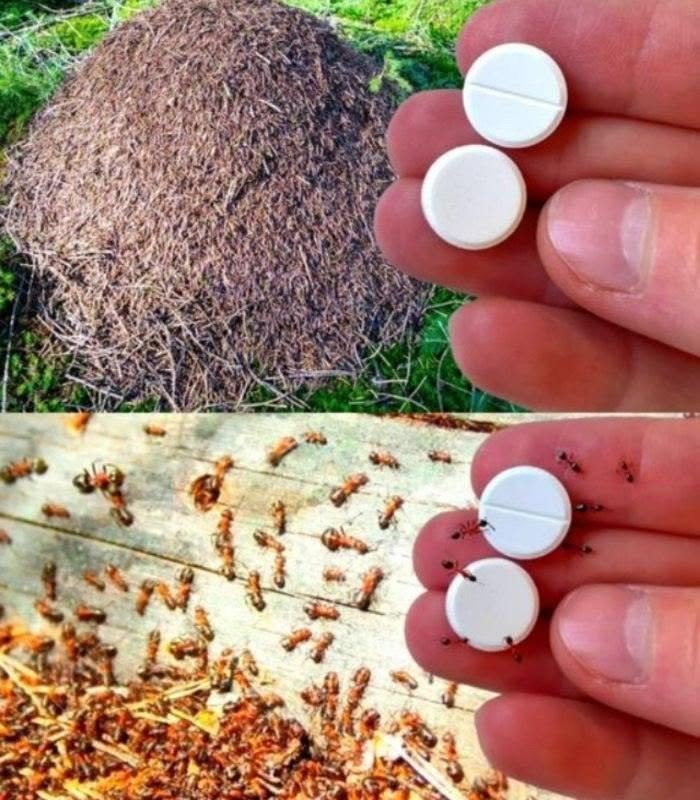
Natural Methods to Combat Ants: How to Get Rid of These Uninvited Guests Without Chemicals
Finding a trail of ants marching across the kitchen counter can be frustrating, especially when they seem to appear overnight. The good news is that you can often reduce an ant problem without reaching immediately for chemical pesticides.
The key is not simply to kill the ants you can see. Ants are usually following scent trails toward food, water, or shelter. Cleaning those trails, removing what attracts them, and blocking their entry points can make your home much less appealing.
1. Start by Removing Food Sources
Ants are excellent at finding tiny traces of food.
Even a few crumbs, a sticky spot of juice, or residue around a pet’s food bowl can attract them.
Pay particular attention to:
- Countertops and tables
- Floors beneath appliances
- Pantry shelves
- Around the refrigerator
- Sugar jars and sweet foods
- Pet-food areas
- Trash and recycling bins
Wipe surfaces regularly and clean spills as soon as they happen.
Store sugar, flour, cereal, cookies, and other foods in tightly sealed containers rather than leaving them in open packages.
2. Wipe Away Ant Scent Trails
Ants communicate partly through chemical trails. When worker ants find a useful food source, other ants may follow the same route.
Simply wiping away the visible ants may therefore not solve the problem.
Clean the trail with ordinary soapy water. This helps remove food residue and disrupt the scent trail that other ants may be following.
For suitable hard, nonporous surfaces, a diluted white-vinegar solution can also be useful for cleaning. A simple mixture is:
1 part white vinegar + 1 part water
Test it on an inconspicuous area first, because vinegar can damage or dull some stone, wood, and other surfaces.
Never mix vinegar with bleach or other cleaning chemicals.
3. Seal Cracks and Gaps
Once you’ve found where ants are entering, make the opening harder to use.
Check around:
- Windows
- Doors
- Baseboards
- Pipes
- Utility lines
- Cabinets
- Cracks around sinks
- Gaps in walls
Small openings can sometimes be sealed with appropriate household caulk or another suitable repair material.
Pay special attention to places where plumbing or cables pass through walls, because these can provide convenient pathways.
4. Keep the Kitchen Dry
Food isn’t the only thing ants seek. Water can also attract them.
Repair leaking faucets and pipes, wipe up standing water, and don’t leave wet sponges or cloths sitting around for long periods.
After washing dishes, keeping the sink area reasonably dry can make the environment less attractive.
5. Try the Citrus Approach
Strong citrus smells may discourage some ants from lingering in particular areas, although they shouldn’t be considered a guaranteed ant-control method.
You can wipe appropriate surfaces with a small amount of diluted lemon juice or use fresh citrus peels near potential entry areas.
This works best as a temporary deterrent alongside cleaning and sealing—not as a replacement for removing food and water sources.
Avoid putting acidic citrus juice on delicate stone, unfinished wood, or surfaces that may be damaged by acids.
6. Use Cinnamon as a Temporary Deterrent
Cinnamon has a strong aroma that may interfere with ants’ ability to comfortably use an area.
A small amount of ground cinnamon can be placed near a suspected entry point.
However, this is mainly a deterrent. It does not reliably eliminate an entire colony.
If ants continue returning, concentrate on finding and blocking their route rather than continually adding more cinnamon.
7. Don’t Forget Outdoor Attractants
Sometimes the source of an indoor ant problem is outside.
Look around the exterior of the home for:
- Food scraps
- Overflowing garbage
- Standing water
- Overripe fruit
- Plant debris
- Cracks near foundations
- Vegetation touching walls
Trim plants that provide easy bridges to windows or walls when appropriate.
Also check garden plants for aphids and other sap-feeding insects. Some ants are attracted to the sugary substance produced by these insects.
8. Keep Trash and Recycling Clean
Garbage containers can provide an easy food source.
Use containers with secure lids and clean them periodically, especially if food or sugary liquids have leaked inside.
Rinse recyclable containers when practical, particularly cans and bottles that contained sweet drinks.
Taking out food waste regularly can make a noticeable difference.
9. Clean Pet-Food Areas
Pet food can be an overlooked source of attraction.
If ants repeatedly appear around a pet’s feeding area, clean crumbs and spills promptly and wash food and water bowls regularly.
Don’t leave leftover food sitting out longer than necessary.
10. Use Physical Barriers
For small, localized problems, physical barriers can sometimes help.
Keep food containers tightly closed and move them away from walls where practical. Make sure windows and doors close properly, and repair damaged screens.
The goal is simple: make it harder for ants to reach the resources they are looking for.
11. Don’t Rely on Every “Natural” Ant Remedy
The word “natural” does not automatically mean effective or safe.
Online advice sometimes recommends using large amounts of essential oils, strong acids, powders, or household substances around pets and children.
These methods can irritate the skin and airways, damage surfaces, or create other household hazards.
Avoid applying unknown substances to food-preparation surfaces or spraying concentrated essential oils where children or pets can come into contact with them.
Natural pest management should focus primarily on sanitation, exclusion, moisture control, and habitat management.
12. Find the Ant Trail Instead of Chasing Individual Ants
One of the most useful things you can do is observe where the ants are traveling.
Follow the trail carefully.
You may discover that they are entering through a tiny crack near a window, traveling behind a cabinet, or coming through a gap around plumbing.
Once you identify the route:
- Remove nearby food and water sources.
- Clean the trail with soapy water.
- Allow the area to dry.
- Seal the entry point if possible.
- Continue monitoring the area.
This approach addresses the reason the ants are appearing rather than simply removing the visible insects.
13. When Natural Methods Aren’t Enough
Natural methods work particularly well when ants are entering because of easily accessible food, moisture, or small gaps.
However, persistent infestations can sometimes indicate a nest inside a wall, beneath flooring, or in another difficult-to-reach location.
If ants continue appearing in large numbers despite careful cleaning and sealing, consider identifying the species and seeking advice from a qualified pest-control professional.
Extra caution is warranted if you see ants associated with damaged or damp wood, because some species can be associated with structural problems.
A Simple Natural Ant-Control Routine
For a straightforward approach, follow this routine:
Morning:
Clean food crumbs and wipe kitchen surfaces.
During the day:
Keep food sealed and deal with spills immediately.
Evening:
Clean around pet bowls and empty food waste when necessary.
Once you see a trail:
Follow it to locate the entry point, then clean the route with soapy water.
Afterward:
Seal cracks and gaps and continue monitoring for several days.
Final Takeaway
Getting rid of ants naturally is less about finding one magical ingredient and more about changing the conditions that attract them.
Remove food and water, clean their scent trails, seal entry points, keep outdoor areas tidy, and monitor where they are coming from. Mild household deterrents such as cinnamon or citrus may help in specific areas, but they should be viewed as supporting measures rather than guaranteed colony solutions.
A clean, dry, well-sealed home gives ants far fewer reasons to move in.
