🩺 What Happens to the Body After Gallbladder Removal? 3 Possible Problems to Know About
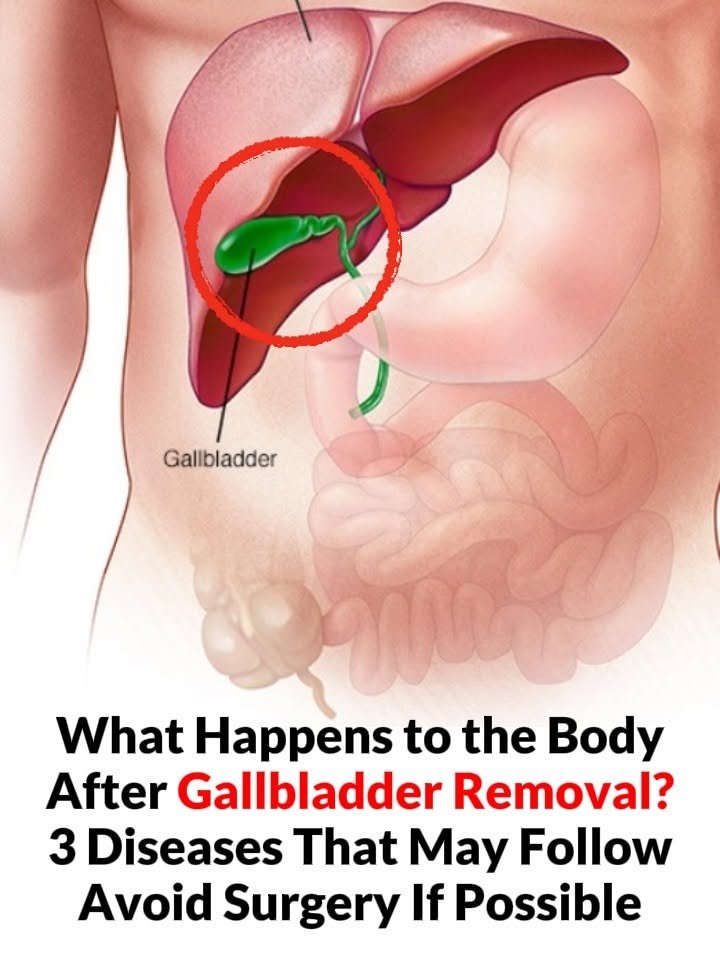
Gallbladder removal, called a cholecystectomy, is a common operation. The gallbladder stores bile made by the liver and releases it when needed to help digest fat. After removal, the liver continues making bile, but bile flows directly into the small intestine instead of being stored in the gallbladder.
The idea that gallbladder surgery should simply be avoided is misleading. For people with certain gallbladder problems, surgery can be the safest and most effective treatment. Whether surgery is appropriate depends on the diagnosis, symptoms, and individual circumstances.
1. Digestive Changes
Some people experience temporary changes after surgery, such as:
- Loose stools or diarrhea
- Bloating
- Gas
- Abdominal discomfort
- Greater sensitivity to very fatty meals
These symptoms often improve as the digestive system adjusts. Eating smaller meals and limiting particularly greasy foods can help some people during recovery.
2. Bile Acid Diarrhea
In some people, bile reaching the intestine more continuously can contribute to bile acid diarrhea. This can cause frequent, watery bowel movements or an urgent need to use the bathroom.
If persistent diarrhea develops after surgery, a healthcare professional can investigate the cause. Treatments are available when bile acids are responsible.
3. Ongoing Abdominal Symptoms
Gallbladder removal doesn’t guarantee that every digestive symptom will disappear. Some people continue to experience abdominal pain, indigestion, bloating, or nausea.
That’s because these symptoms can sometimes have other causes, such as reflux, ulcers, irritable bowel conditions, or problems elsewhere in the digestive system.
🚨 When Is Gallbladder Removal Usually Considered?
Surgery may be recommended when gallstones or gallbladder disease are causing significant problems, such as:
- Repeated painful gallstone attacks
- Inflammation of the gallbladder
- Certain complications from gallstones
- Gallstone-related pancreatitis
- Some cases of infection or obstruction
In these situations, avoiding surgery without medical guidance can allow the underlying condition to become more serious.
🥗 What Can Help After Surgery?
During recovery, many people find it useful to:
- Eat smaller meals
- Gradually return to their normal diet
- Choose balanced meals rather than very greasy foods
- Drink adequate fluids
- Follow their surgeon’s activity instructions
- Report persistent or worsening symptoms
⚠️ Seek Medical Attention for Concerning Symptoms
After gallbladder surgery, severe or worsening abdominal pain, persistent vomiting, fever, yellowing of the skin or eyes, or other significant changes should be evaluated promptly.
🧠 Bottom Line
Gallbladder removal does not mean the body can no longer digest food normally. The liver still produces bile, and most people can live normally without a gallbladder.
Some people experience digestive changes afterward, including diarrhea or difficulty tolerating very fatty meals, but these problems don’t mean that gallbladder surgery should automatically be avoided. The decision should be based on the actual gallbladder condition and discussed with a qualified healthcare professional.
