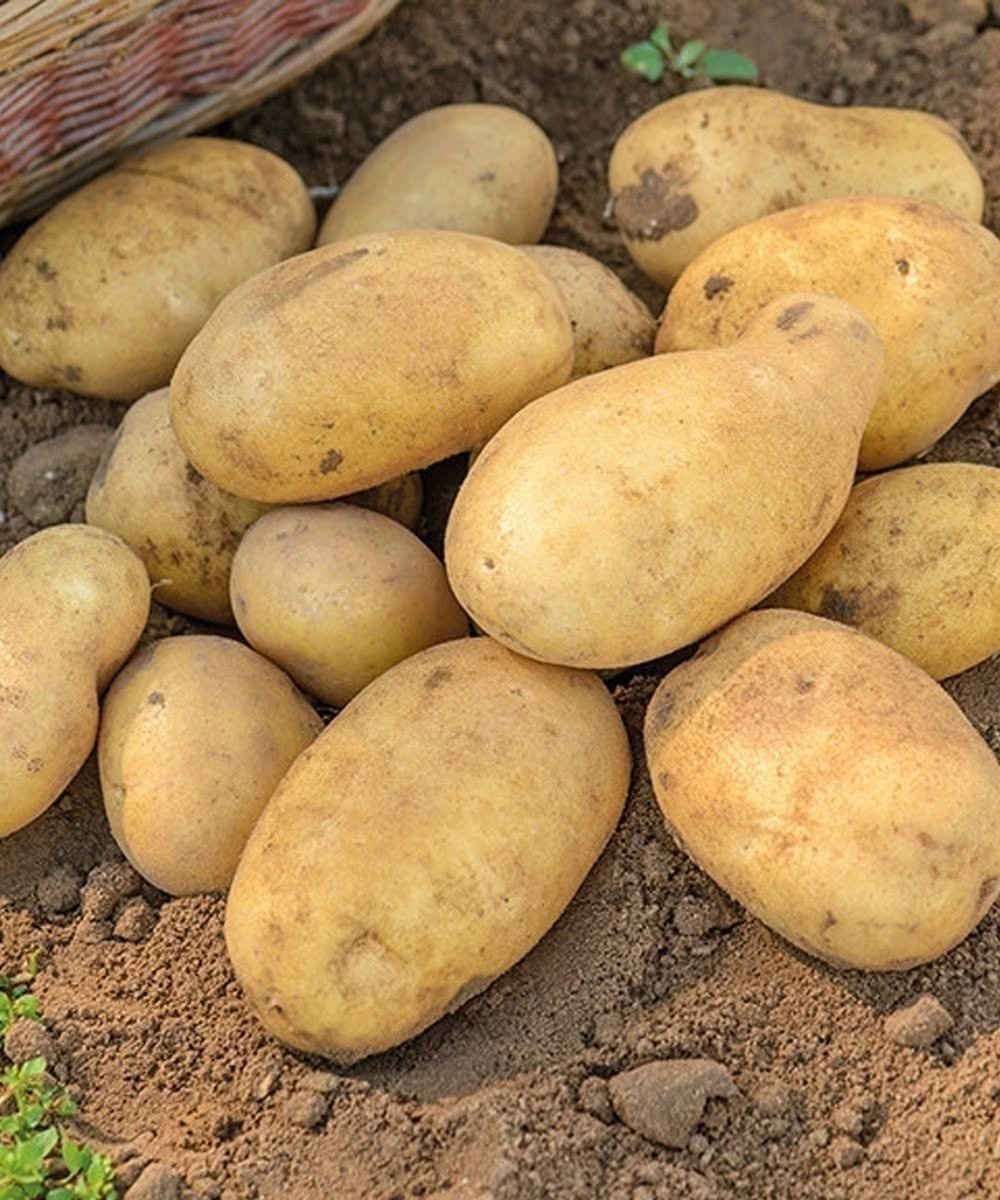
Doctors Reveal What Eating Potatoes Can Actually Do to Your Body
Potatoes have a complicated reputation.
Some people avoid them because they associate potatoes with weight gain or high blood sugar, while others point out that potatoes provide important nutrients. The truth is more nuanced: potatoes can be part of a healthy diet, and their effects depend greatly on how they are prepared and what they are eaten with.
A plain boiled or baked potato is very different from a large serving of deep-fried potatoes covered with salt and high-calorie sauces.
Potatoes Provide More Than Starch
Potatoes are primarily a source of carbohydrate, but they also provide several nutrients.
A potato with its skin can provide:
- Potassium
- Vitamin C
- Vitamin B6
- Fiber
- Other vitamins and minerals in smaller amounts
The skin also contains fiber and other plant compounds, although potatoes should always be washed properly before preparation.
Potatoes Can Raise Blood Sugar
Because potatoes contain starch, they can increase blood glucose after eating.
How much the blood sugar rises depends on factors such as the portion, preparation method, whether the potato is eaten with protein or fiber-rich foods, and the individual’s metabolism.
This doesn’t mean potatoes are automatically unhealthy.
For someone with diabetes or another condition affecting blood glucose, portion size and the overall meal can matter considerably.
Cooking Method Makes a Big Difference
The potato itself isn’t necessarily the main problem. Preparation can dramatically change the nutritional profile of a potato-based meal.
Boiled Potatoes
Boiled potatoes can be a relatively simple way to prepare them, particularly when they’re served with vegetables and a source of protein.
Baked Potatoes
A baked potato can also be nutritious. The toppings are important, though.
Adding large amounts of butter, cheese, creamy sauces, or processed meats can substantially change the meal.
French Fries
Deep-fried potatoes contain considerably more fat and calories than plain potatoes because they absorb oil during cooking.
Frequent consumption of fried foods has been associated with poorer health outcomes, so fries are better treated as an occasional food rather than the main way to eat potatoes.
Potato Chips
Potato chips are highly processed and often contain substantial amounts of sodium and added fat.
Eating chips occasionally is different from making them a regular part of your diet.
Potatoes Contain Potassium
Potassium is an essential mineral involved in normal muscle function, nerve signaling, and fluid balance.
Potatoes can contribute meaningfully to potassium intake.
However, people with certain kidney conditions may be advised to limit potassium-rich foods. In that situation, dietary changes should be based on advice from a healthcare professional rather than general nutrition rules.
What About “Toxic” Green Potatoes?
This is one potato warning that should be taken seriously.
Potatoes that have become green or heavily sprouted can contain increased amounts of glycoalkaloids, naturally occurring compounds such as solanine.
A small amount of green discoloration isn’t necessarily an emergency, but potatoes that are extensively green, bitter, badly sprouted, shriveled, or otherwise questionable are best discarded rather than eaten.
Don’t taste a questionable potato to determine whether it is safe.
Potatoes and the Heart
Potatoes themselves aren’t automatically harmful to the heart.
The bigger issue is often the overall dietary pattern and preparation method.
A plain potato served with vegetables, beans, fish, eggs, or another nutritious protein is very different from a heavily salted serving of fried potatoes accompanied by other highly processed foods.
Keeping added salt and heavily processed toppings moderate can make potato-based meals more balanced.
Do Potatoes Cause Weight Gain?
A potato doesn’t automatically cause weight gain.
Potatoes are a normal carbohydrate-rich food and can provide useful nutrients. The idea that one particular food inevitably changes body size oversimplifies how nutrition works.
For growing teenagers especially, the focus should be on regular nourishment, variety, energy, growth, and overall health, rather than trying to eliminate foods because of fear of weight gain.
A Simple Way to Build a Balanced Potato Meal
Instead of asking whether potatoes are “good” or “bad,” consider the whole meal.
A balanced plate might include:
- Potato as the carbohydrate source
- Vegetables or salad
- Beans, lentils, eggs, fish, chicken, yogurt, or another protein source
- A moderate amount of healthy fat
This combination provides a broader range of nutrients and can make the meal more satisfying.
One More Interesting Detail: Cooling Potatoes
When cooked potatoes are cooled, some of their starch changes into resistant starch.
Resistant starch isn’t digested in the same way as ordinary starch and can reach the large intestine, where gut bacteria can use it.
Reheating cooled potatoes does not necessarily eliminate all of this resistant starch.
This is one reason the nutritional effects of a potato can depend not only on the food itself but also on preparation and storage.
The Bottom Line
Doctors don’t generally consider potatoes a food that everyone needs to avoid.
Potatoes can provide carbohydrates, potassium, vitamin C, vitamin B6, and fiber, particularly when eaten with their skin.
The bigger concerns are how they’re prepared, what they’re served with, how much salt and added fat are included, and the pe
