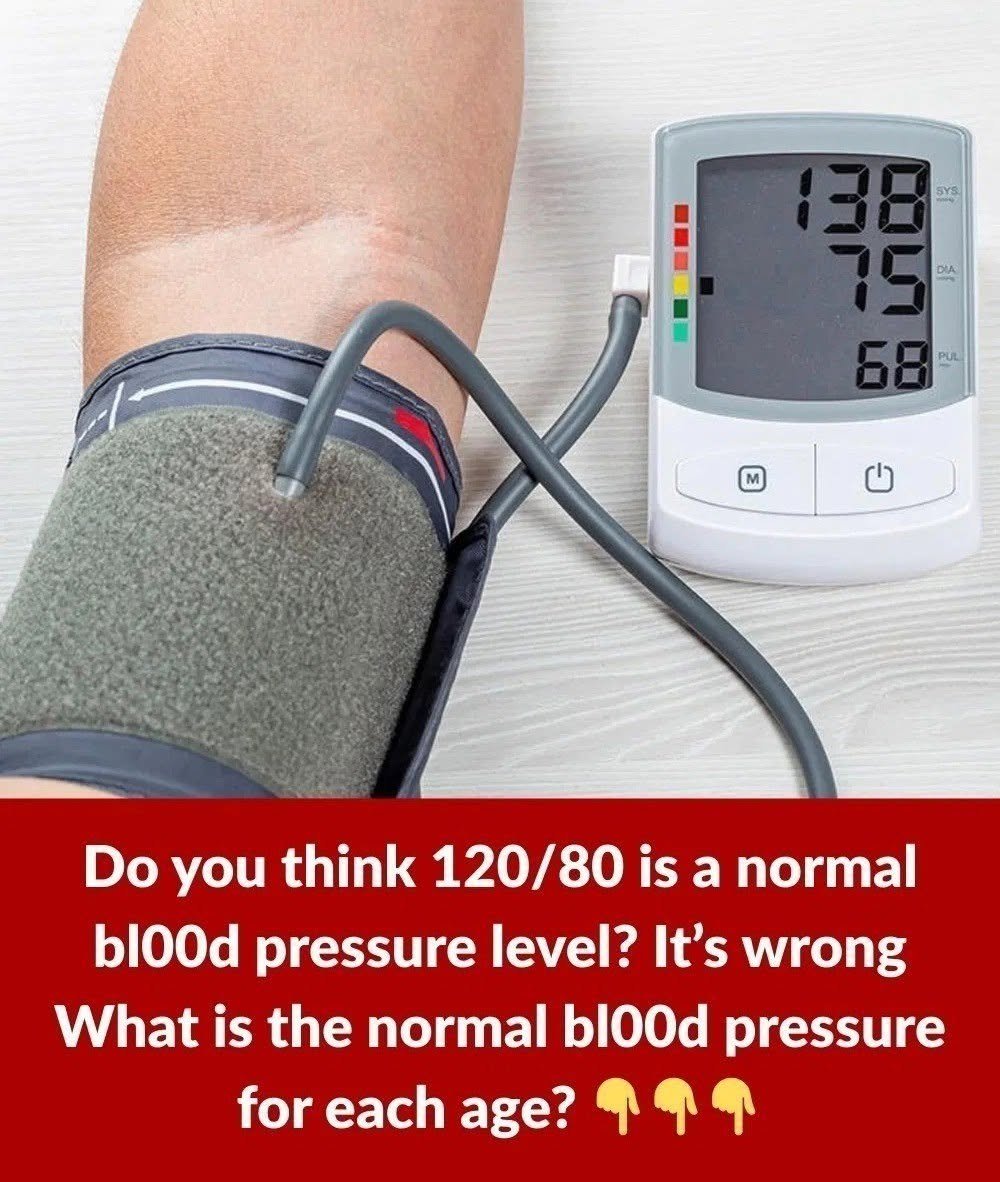
What Is Normal Blood Pressure at Different Ages?
A common misconception is that there is one “normal” blood-pressure number for every age. For adults, blood-pressure categories are generally based on the reading itself rather than a different normal range for each decade of life.
Blood pressure is written as systolic/diastolic, for example 120/80 mmHg.
Adults: General Blood-Pressure Categories
| Category | Systolic (top number) | Diastolic (bottom number) |
|---|---|---|
| Normal | Less than 120 | Less than 80 |
| Elevated | 120–129 | Less than 80 |
| High BP – Stage 1 | 130–139 | 80–89 |
| High BP – Stage 2 | 140 or higher | 90 or higher |
| Very high / severe | Higher than 180 | and/or higher than 120 |
A single high reading doesn’t necessarily mean someone has hypertension. Blood pressure can temporarily rise because of stress, pain, caffeine, exercise, or an incorrect measurement technique.
What About Older Adults?
It’s a myth that 140/90 or 150/90 is automatically “normal” just because someone is older. Older adults can develop hypertension, and treatment targets should be individualized according to overall health, other medical conditions, medications, and the person’s circumstances.
Children Are Different
Children and teenagers don’t use the same adult cutoffs. Their healthy blood pressure depends on age, sex, and height, so a pediatric healthcare professional should interpret the measurement using age-appropriate references.
🚨 When Is Blood Pressure an Emergency?
If a reading is over 180/120 mmHg, wait at least a minute and measure it again. If it remains that high, contact a healthcare professional promptly.
If very high blood pressure occurs together with chest pain, difficulty breathing, severe headache, weakness or numbness, vision changes, confusion, or difficulty speaking, seek emergency medical care immediately.
The Takeaway
For most adults, below 120/80 mmHg is considered normal, but the appropriate blood-pressure goal can vary depending on the individual.
If you give me your age and your latest blood-pressure reading (for example, 145/85), I can explain what that particular reading means.
