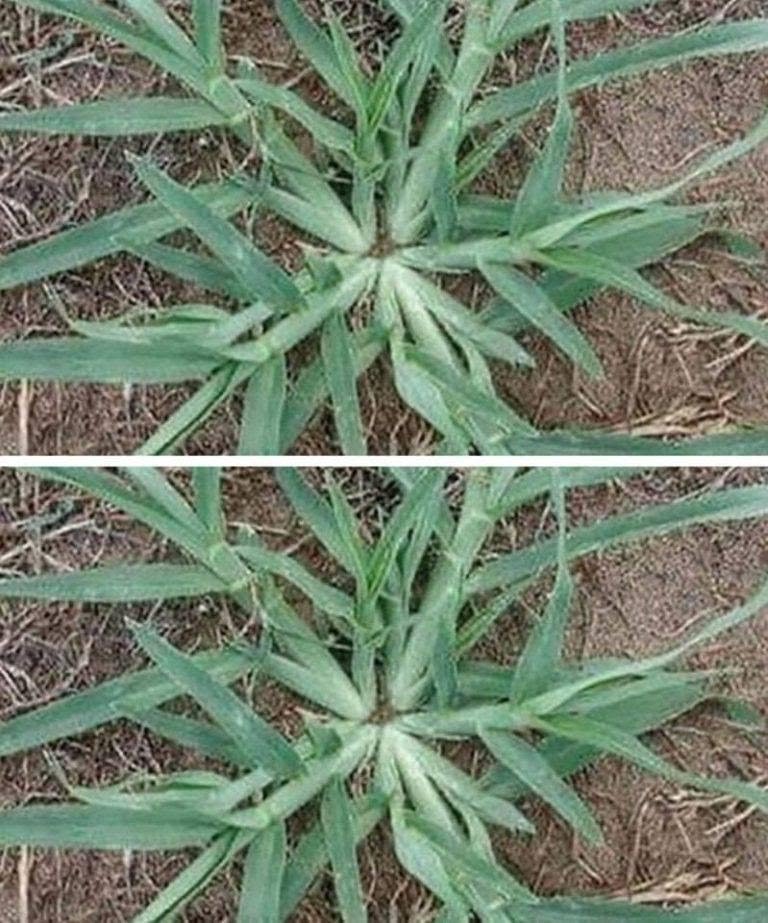
Never Uproot This Plant If It Appears in Your Garden 🌿
If a plant suddenly appears in your garden, don’t automatically assume it’s a weed. Some volunteer plants can be valuable for pollinators, wildlife, soil health, or even food. But there isn’t one plant that everyone should always leave alone—the right choice depends on the species and your local environment.
🌼 If It’s Milkweed, Think Twice Before Removing It
One plant often worth preserving is native milkweed.
Milkweed is especially important because it serves as a host plant for monarch butterfly caterpillars and provides nectar for various pollinators. Different milkweed species are native to different regions, so it’s important to identify the plant before deciding what to do with it.
Why Milkweed Matters
-
🦋 It provides food for monarch caterpillars.
-
🐝 Its flowers can provide nectar for pollinating insects.
-
🌱 Native species can support local ecosystems.
-
🌿 Once established in an appropriate location, it can be relatively low-maintenance.
⚠️ But Don’t Keep Every Unknown Plant
Some plants that appear spontaneously can be invasive, poisonous, or harmful to pets and children.
Before leaving an unfamiliar plant in your garden, identify it using its:
-
Leaves
-
Flowers
-
Stem
-
Growth pattern
-
Location and season
Avoid eating an unidentified plant based on an internet photo or social-media claim.
🌱 What If you discover an unfamiliar plant, identification should come before removal. A plant that is valuable in one region can It’s a Useful “Volunteer” Plant?
Sometimes plants appear because birds, wind, compost, or dropped seeds have brought them into the garden. Tomatoes, pumpkins, sunflowers, herbs, and flowers can all occasionally emerge without being deliberately planted.
If you recognize the plant and know it’s safe and appropriate for the location, you may choose to let it grow.
🐝 A Better Approach to Garden Weeds
Instead of automatically removing every unfamiliar plant:
-
Identify it first.
-
Check whether it’s native or invasive in your area.
-
Consider whether it provides food or habitat for wildlife.
-
Remove it if it’s poisonous, invasive, damaging other plants, or growing somewhere unsafe.
The Bottom Line
There is no universal “never uproot this plant” rule. If you discover an unfamiliar plant, identification should come before removal. A plant that is valuable in one region can be invasive or undesirable in another.
If you send me a photo of the plant, I can help you identify it and explain whether it’s beneficial, invasive, edible, or potentially toxic.
