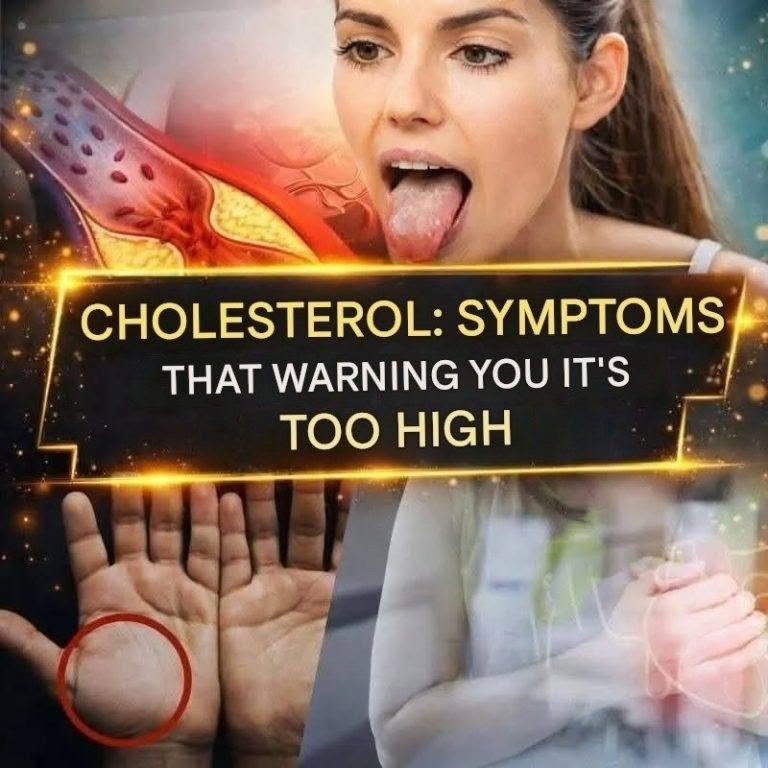
Cholesterol: 5 Symptoms That May Warn of Problems Linked to High Cholesterol
High cholesterol is often called a “silent” condition because most people cannot feel it.
Unlike a fever or infection, elevated cholesterol usually doesn’t cause a recognizable symptom when levels rise. The only reliable way to know your cholesterol level is through a blood test.
However, cholesterol can contribute to plaque buildup in the arteries over time. When that buildup becomes significant, it can interfere with blood flow and contribute to cardiovascular problems.
That means certain symptoms should never be ignored—not because they prove cholesterol is high, but because they can signal complications that deserve medical attention.
1. Chest Pressure or Discomfort
Pressure, squeezing, heaviness, or discomfort in the chest can occur when the heart isn’t receiving enough blood.
This can happen when coronary arteries become narrowed by plaque buildup.
Chest discomfort can have many causes, however, and it cannot be used to diagnose high cholesterol.
Sudden or severe chest discomfort, particularly when accompanied by shortness of breath, sweating, nausea, dizziness, or discomfort spreading to the arm, shoulder, back, neck, or jaw, requires urgent medical attention.
2. Pain or Cramping in the Legs During Walking
Plaque buildup can also affect arteries supplying the legs.
A condition called peripheral artery disease (PAD) can cause aching, cramping, or fatigue in the legs during walking that improves after resting.
Other symptoms can include:
- Coldness in one foot or leg
- Numbness or weakness
- Changes in skin color
- Slow-healing wounds
- Reduced hair growth on the lower legs
These symptoms don’t mean that cholesterol is definitely high, but they warrant medical evaluation.
3. Sudden Weakness, Numbness, or Difficulty Speaking
Arteries supplying the brain can also become narrowed or blocked.
Sudden weakness or numbness—especially on one side of the body—difficulty speaking or understanding speech, sudden vision problems, severe sudden headache, dizziness, or loss of balance can indicate a stroke or transient ischemic attack (TIA).
These are emergencies.
Do not wait for the symptoms to disappear before seeking emergency care.
4. Yellowish Deposits Around the Eyes or on the Skin
Some people with very high cholesterol, particularly certain inherited forms, can develop fatty cholesterol deposits called xanthomas.
These may appear as yellowish or waxy bumps on the skin or as deposits around the eyes called xanthelasma.
These findings don’t occur in everyone with high cholesterol, and similar-looking skin changes can have other causes.
When unusual yellowish deposits appear—especially at a young age or alongside a strong family history of high cholesterol—medical evaluation is appropriate.
5. Pain or Tightness in the Jaw, Neck, or Upper Body With Activity
Discomfort in the jaw, neck, shoulders, arms, or upper body during physical activity can sometimes be related to reduced blood flow to the heart.
This is particularly important when the discomfort repeatedly appears with exertion and improves with rest.
It should not automatically be blamed on muscle strain or ordinary fatigue.
If this type of discomfort is new, severe, or accompanied by chest pressure, shortness of breath, sweating, nausea, fainting, or other concerning symptoms, seek urgent medical attention.
The Most Important “Symptom” of High Cholesterol
Ironically, the most important fact is that high cholesterol usually has no symptoms at all.
A person can feel completely healthy while having elevated LDL cholesterol.
That’s why cholesterol is measured with a blood test rather than by looking for physical symptoms.
Depending on age, family history, medical conditions, and other cardiovascular risk factors, a healthcare professional may recommend periodic cholesterol testing.
Why LDL Cholesterol Matters
Cholesterol is not simply “good” or “bad.”
Your body needs cholesterol for important functions, including making hormones and building cell membranes.
The concern is particularly with elevated LDL cholesterol, which can contribute to plaque buildup inside arteries.
HDL, triglycerides, and other factors also form part of the overall cardiovascular picture.
A healthcare professional can interpret the results together rather than focusing on one number in isolation.
Who Should Pay Particular Attention?
Regular cholesterol screening can be especially important for people with factors such as:
- A family history of high cholesterol or early cardiovascular disease
- Diabetes
- High blood pressure
- Smoking or nicotine exposure
- Certain medical conditions
- A history of cardiovascular disease
Some inherited cholesterol disorders can cause extremely high LDL levels from a young age.
Don’t Wait for Symptoms
Waiting for chest pain or another symptom before checking cholesterol can be misleading.
The purpose of cholesterol testing is to identify elevated levels before they contribute to serious artery disease.
If cholesterol is elevated, a healthcare professional can discuss nutrition, physical activity, other risk factors, and—when appropriate—medication.
Never start, stop, or change cholesterol medication without professional guidance.
Final Takeaway
There are no five symptoms that reliably tell you your cholesterol is too high.
High cholesterol is usually silent.
Chest discomfort, exertional leg pain, stroke-like symptoms, unusual cholesterol deposits, and activity-related upper-body discomfort can be warning signs of cardiovascular or arterial problems that may be associated with cholesterol—but they do not diagnose high cholesterol.
The dependable way to find out whether cholesterol is elevated is a blood test and professional interpretation of the results.
And when symptoms suggest a heart attack or stroke, don’t wait for a cholesterol test—seek emergency medical care immediately.
