Be Your Own Dentist? What You Can—and Can’t—Do About Tartar at Home
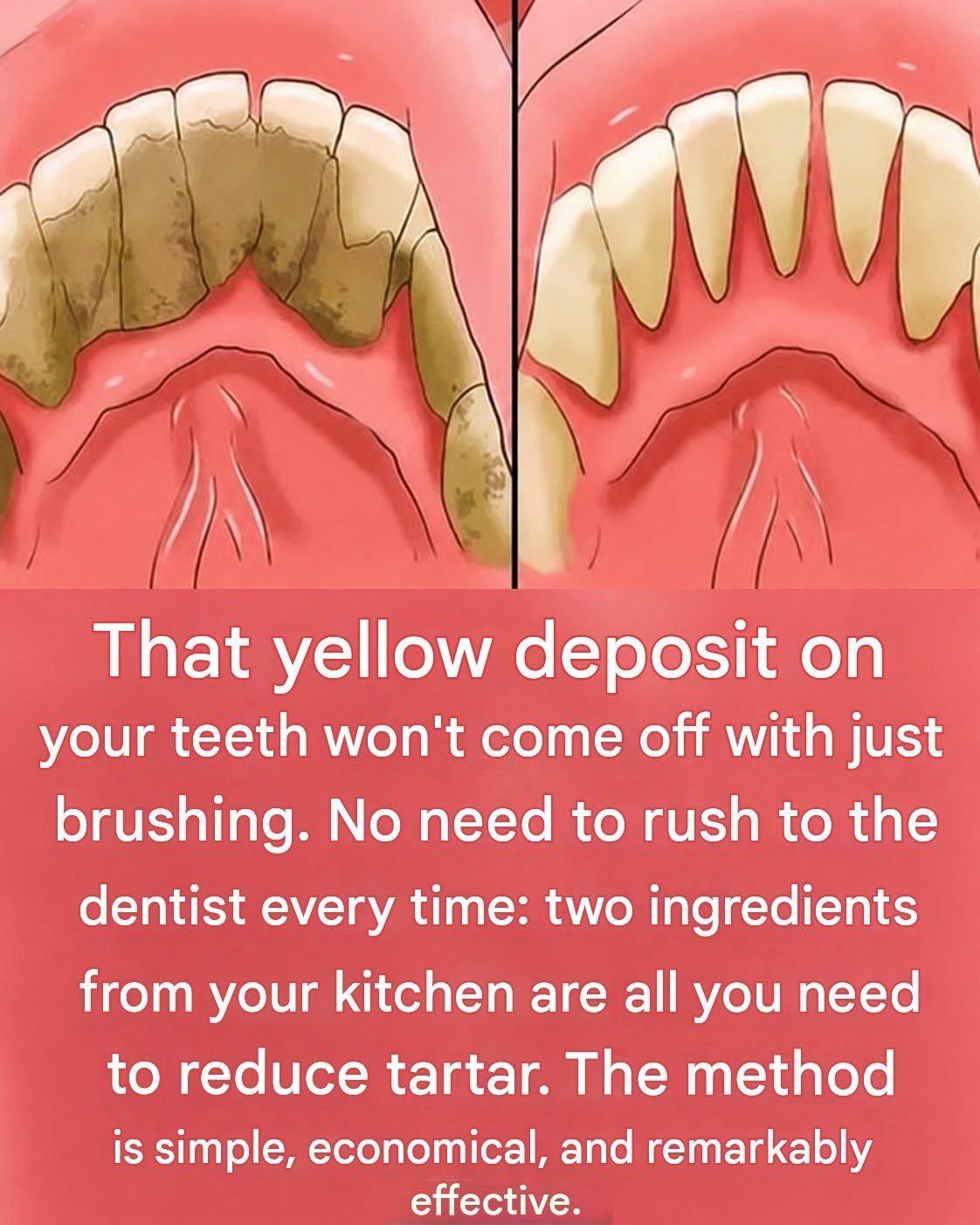
Tartar, also called dental calculus, is hardened plaque that firmly attaches to the teeth. Unlike soft plaque, it generally cannot be safely removed with ordinary brushing at home. A dental professional may need to remove established tartar with specialized instruments.
The good news is that you can do a lot at home to prevent new buildup.
1. Brush Twice a Day
Brush for about two minutes twice daily using a soft-bristled toothbrush and fluoride toothpaste. Pay particular attention to the gumline, where plaque commonly accumulates.
2. Clean Between Your Teeth
Floss or use an appropriate interdental cleaner once a day. A toothbrush cannot effectively clean all the surfaces between teeth, allowing plaque to remain and eventually harden.
3. Consider an Electric Toothbrush
A powered toothbrush can make thorough brushing easier for some people. The key is consistent, gentle cleaning rather than pressing hard.
4. Don’t Scrape Tartar Yourself
Avoid using pins, needles, knives, metal tools, or homemade scraping devices. Trying to chip tartar away can injure your gums, scratch tooth enamel, or cause infection.
Similarly, harsh acids such as lemon juice or vinegar aren’t a safe tartar-removal solution because repeated acid exposure can erode enamel.
5. Use Fluoride Toothpaste
Fluoride helps strengthen enamel and protect against cavities. Some toothpastes are marketed for tartar control and may help reduce the accumulation of new deposits, but they won’t dissolve established tartar.
6. Limit Frequent Sugary Snacks and Drinks
Frequent exposure to sugars can promote plaque formation and tooth decay. Water is a good choice between meals.
7. Don’t Ignore Bleeding Gums
Bleeding, swollen, tender, or persistently red gums can be signs of gingivitis or periodontal disease. Don’t simply stop cleaning the area because it bleeds; arrange a dental assessment if the problem persists.
Professional Cleaning May Be Necessary
If you can see a hard yellow, brown, or dark deposit attached to your teeth, particularly near the gumline, it may be tartar. A dentist or dental hygienist can safely remove it during a professional cleaning.
The Bottom Line
You can prevent and reduce plaque at home, but once plaque has hardened into tartar, trying to remove it yourself isn’t worth risking damage to your teeth or gums. Brush twice daily, clean between your teeth every day, and have established tartar professionally removed.
