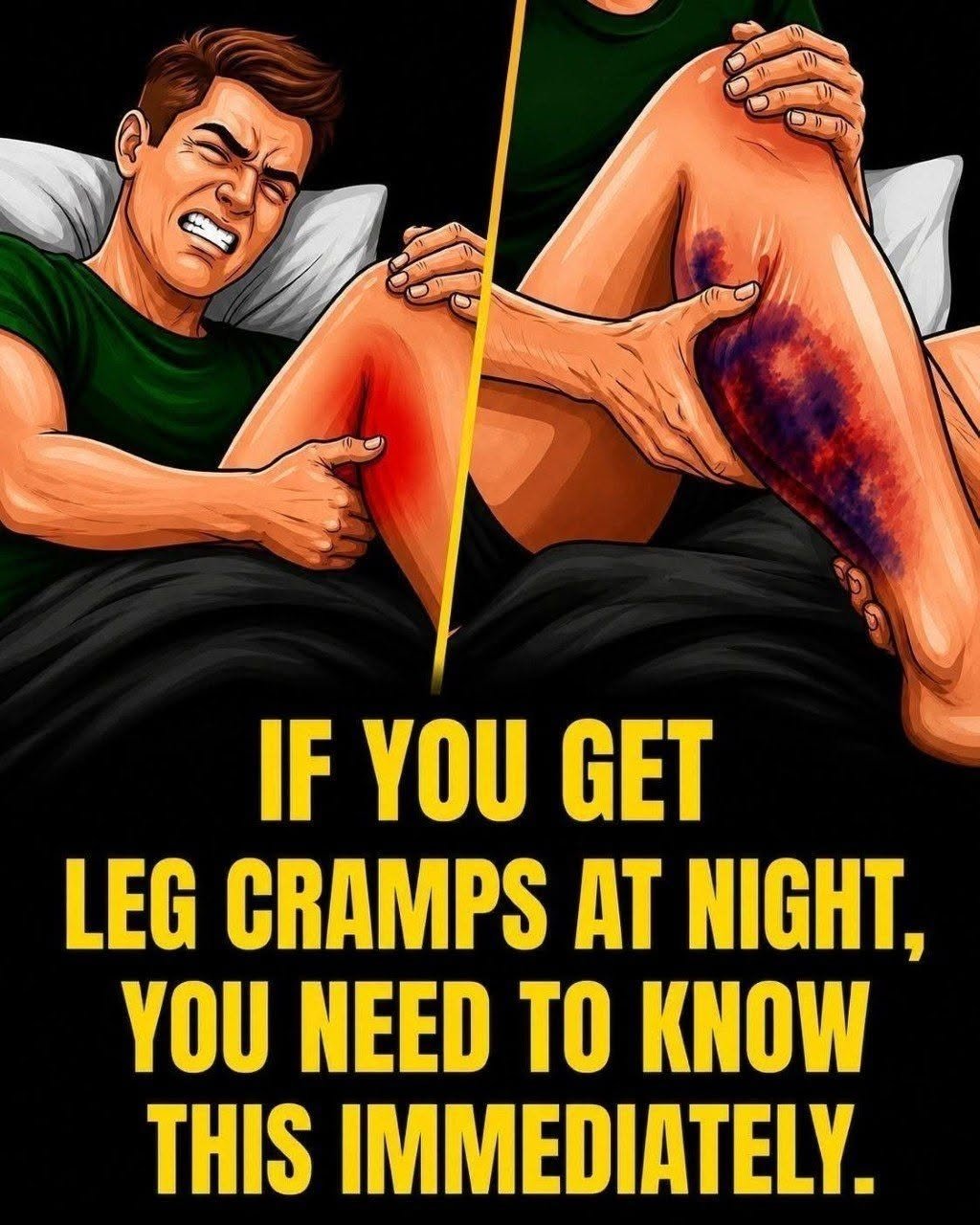
Don’t Ignore Leg Cramps at Night: Here’s What You Should Know
Nighttime leg cramps are sudden, painful muscle contractions that commonly affect the calves, feet, or thighs while you’re sleeping or resting. Although they’re often harmless, frequent or severe cramps can sometimes point to an underlying issue.
What Causes Leg Cramps at Night?
Several factors may contribute to nighttime cramps, including:
-
Muscle fatigue: Overuse, strenuous exercise, or standing for long periods can strain muscles.
-
Dehydration: Not drinking enough fluids may contribute to muscle spasms.
-
Electrolyte changes: Low levels of minerals such as potassium, magnesium, or calcium may play a role in some cases.
-
Prolonged sitting or standing: Staying in one position for extended periods can increase the likelihood of cramps.
-
Pregnancy: Changes in circulation, body weight, and mineral requirements can contribute to leg cramps.
-
Certain medications: Some medicines, including certain diuretics and cholesterol-lowering drugs, may be associated with muscle cramps.
-
Underlying medical conditions: Nerve, circulation, kidney, thyroid, or metabolic problems can sometimes be associated with recurring cramps.
What Should You Do When a Cramp Happens?
When a nighttime cramp strikes, try to gently stretch the affected muscle. For a calf cramp, straighten your leg and gently pull your toes toward your body. Lightly massaging the muscle or applying warmth may also help it relax.
Avoid forcing a severely contracted muscle, as aggressive stretching can increase discomfort.
How Can You Prevent Nighttime Leg Cramps?
A few habits may help reduce episodes:
-
Drink adequate fluids throughout the day.
-
Stretch your calves and legs gently before bedtime.
-
Stay physically active while avoiding sudden increases in exercise intensity.
-
Wear comfortable, supportive footwear during the day.
-
Avoid sitting or standing in the same position for very long periods.
-
Review medications with a healthcare professional if cramps began after starting a new medicine.
When Should You See a Doctor?
Occasional leg cramps are usually not a serious concern. However, speak with a healthcare professional if cramps are frequent, severe, worsening, disrupting sleep regularly, or accompanied by swelling, numbness, weakness, skin changes, or persistent pain.
Seek urgent medical attention if leg pain or cramping occurs with significant swelling, redness or warmth, sudden shortness of breath, chest pain, or difficulty breathing.
The Bottom Line
Nighttime leg cramps are common, but persistent or unusual cramps deserve attention. Identifying possible triggers, staying hydrated, stretching gently, and discussing recurring symptoms with a healthcare professional can help determine whether further evaluation is needed.
